
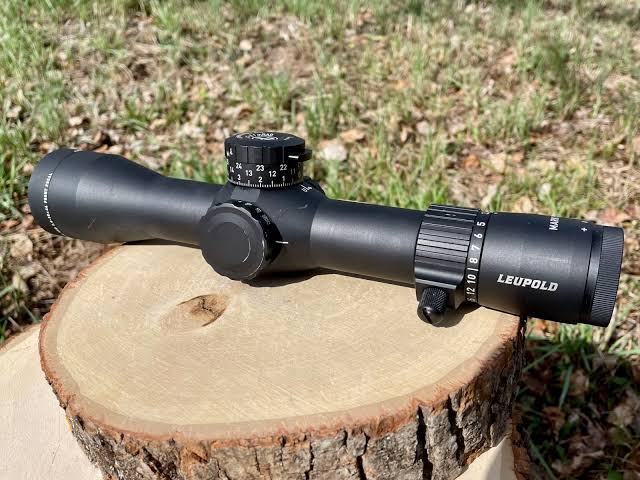
Used Aimpoint Optics can be an excellent value, but the word “used” covers everything from a barely handled sight to an optic with hidden mechanical problems. The difference is rarely visible in a single photograph. A careful buyer looks at the model, condition, function, provenance, and total cost together. The following guide explains how to make that judgment without treating a familiar name as a substitute for inspection.
Start with the optic’s intended role and model
A sound purchase begins before the listing is opened. The right optic depends on the firearm, expected distance, mounting system, and the way the firearm will actually be used. Once those requirements are clear, model comparisons become much more useful than general brand familiarity.
Match the sight to the firearm and shooting application
Consider the firearm’s recoil, available rail space, balance, and sight height. A compact optic may suit a lightweight setup, while a larger tube may offer a different viewing experience and mounting arrangement. Also think about whether the application calls for rapid target acquisition, deliberate aiming, or a sight that can remain ready for extended periods.
A red dot sight is designed for a different job than a magnified optic. Aimpoint describes its red dot sights as suitable for military, law-enforcement, and hunting use, and its sighting technology is intended to support shooting with both eyes open. Those documented characteristics may matter to a buyer, but they do not remove the need to match the sight to the specific firearm and application.
Compare Aimpoint model families and generations
Model names, generation changes, and package variations can affect the optic’s dimensions, controls, battery arrangement, and compatibility. Read the marking on the housing rather than relying only on the seller’s title. A listing that says “latest model” without identifying the exact model deserves a closer look.
Compare the photographed sight with the manufacturer’s available product information, paying attention to control placement and the shape of the housing. Older does not automatically mean poor quality, but age should be reflected in the price and in your expectations about service, accessories, and remaining useful life.
Consider tube size, footprint, and mounting requirements
Before committing, measure the available rail and confirm the optic’s footprint or mounting interface. The included mount may be unsuitable even when the sight itself is genuine. A low mount, riser, spacer, or quick-detach arrangement can change both fit and sight height.
Ask whether the mount is included, whether its fasteners are present, and whether the setup will place the optic at the height your firearm requires. If the seller cannot provide a clear photograph of the underside or mounting area, treat that missing information as a cost and a risk rather than assuming compatibility.
Account for battery life, night-vision compatibility, and controls
Battery life claims belong to a particular model and operating setting, so do not apply one model’s specification to another. If night-vision compatibility matters, verify that the exact optic and its available settings support the intended equipment. Control layout also matters: knobs should be reachable, clearly marked, and easy to operate without disturbing the rifle.
A sight with a wide range of brightness settings is not automatically the best choice for every use. What matters is whether the controls work consistently and whether the available settings suit the conditions in which you will shoot.
Inspect the optical and mechanical condition
Condition is where a promising used optic either earns its price or loses it. Cosmetic wear can be harmless, while a small lens defect, damaged thread, or distorted housing can affect the entire purchase. Inspect the sight as a working instrument, not merely as a piece of equipment with a recognizable label.
Check lens clarity, coatings, and visible damage
Examine the objective and ocular lenses under bright, angled light. Look for scratches, chips, haze, internal debris, coating marks, and cleaning swirls. A photograph taken straight on can hide defects that become obvious when the lens is viewed from the side.
Ask for close, in-focus images if the listing does not show the glass clearly. Minor exterior marks may be acceptable, but damage in the viewing area, clouding, or signs of moisture inside the optic should materially change the price—or end the discussion.
Examine the housing for dents, cracks, and corrosion
Inspect the body, battery compartment, adjustment areas, and mounting surfaces. Dents near a turret or mounting interface deserve more concern than superficial scratches on a broad section of the housing. Cracks, lifted finish, or corrosion around fasteners may point to impact, water exposure, or neglected storage.
Do not assume that a rugged-looking exterior proves the optic is mechanically sound. A housing can appear serviceable while a thread is stripped or a mounting surface has been distorted. The goal is to identify damage that could affect alignment, sealing, or secure attachment.
Test turrets, adjustment caps, and brightness controls
Turn each control gently through its range. Turrets should move in a consistent manner without grinding, slipping, or feeling unusually loose. Caps should thread on cleanly, and brightness controls should not require excessive force or produce intermittent illumination.
If you are inspecting the sight in person, note whether the markings remain legible and whether the controls can be used while wearing the gloves or other equipment relevant to your application. A control that technically moves but cannot be operated reliably is still a practical defect.
Look for signs of hard use, modification, or improper storage
Repeated paint wear, deep impact marks, crushed edges, and improvised fasteners can reveal a demanding history. None is conclusive by itself, but several signs together justify more questions. Pay particular attention to drilled housings, filed parts, nonstandard screws, and adhesive around covers or seams.
Storage matters as well. Long exposure to moisture, heat, or unprotected dust can affect seals, contacts, and optical surfaces even when the optic has not been fired extensively. Condition tells a fuller story when the exterior, controls, and seller’s explanation agree.
Verify performance before buying
A used sight should be judged under operation, not only under inspection. If an in-person test is possible, take a few minutes to check illumination, controls, and adjustment behavior. When buying remotely, request a short video or make the sale conditional on a clearly stated inspection period.
Confirm the red dot is crisp and consistently illuminated
View the dot against a plain, evenly lit background at several distances. It should appear stable and usable for your eyes, without obvious flicker, unexplained dimming, or irregular bright spots. Some apparent starbursting comes from the viewer’s vision rather than the optic, so compare what you see with another person or with corrective lenses when appropriate.
A red dot sight does not magnify the target in the way a scope does. The dot is produced inside the sight rather than projected onto the target, so a seller’s claim that it acts like a visible laser is a warning sign that the listing may be poorly understood.
Test brightness settings across the full adjustment range
Move from the lowest setting to the highest and pause briefly at each stage. Look for dead settings, abrupt changes, flicker, or a control that changes brightness only when held at a particular angle. Test in both a dim indoor area and brighter ambient light when possible.
The highest setting is not the only meaningful test. Low settings can reveal contact problems, while intermediate settings show whether the control provides usable progression rather than only an “off” position and an overly bright dot.
Check that adjustments track and return reliably
A basic function check can reveal whether the adjustment mechanism behaves consistently. Make small, recorded changes, observe the point of aim, and return to the original setting. The firearm must be handled safely and the test should follow appropriate range procedures.
If the dot does not respond predictably, appears to move inconsistently, or fails to return near its starting position, stop treating the optic as a bargain. A zeroing problem may involve the mount or firearm, but uncertainty still has a financial value and should be reflected in the decision.
Evaluate battery contacts, seals, and compartment condition
Remove the battery if the seller permits it and inspect for corrosion, residue, damaged contacts, or a distorted compartment. Check that the cover closes smoothly and that its threads are not cross-threaded. A fresh battery can help test operation, but it cannot repair a weak contact or compromised seal.
Ask how the optic was stored and whether a battery was left inside for a long period. If moisture or corrosion is visible, photograph it before cleaning anything. That record can help when discussing the condition with the seller or evaluating a return.
Separate authentic Aimpoint optics from questionable listings
Authentication is not a matter of finding one perfect logo. It is a comparison of markings, construction, photographs, paperwork, and the seller’s answers. A listing becomes more credible when those pieces tell the same story and less credible when the details conflict.
Compare markings, serial numbers, and model details
Record the model designation and serial number shown in the photographs. Check whether the engraving, font, placement, and finish appear consistent across the optic, packaging, and documentation. A missing or obscured serial number is not proof of a counterfeit, but it is a reason to request an explanation before paying.
The model in the title should agree with the body markings and visible features. Generic photographs, unusually vague descriptions, and serial numbers that cannot be read should all reduce confidence until the seller supplies better evidence.
Look for mismatched parts or unauthorized alterations
Compare the body, caps, knobs, mount, and covers for differences in finish, age, or fit. A replacement part may be perfectly functional, but it should be disclosed. Alterations that affect the housing, controls, or mounting interface are more consequential than ordinary replacement hardware.
Ask whether the optic has been repaired, refinished, engraved, or modified. A straightforward answer is useful even when the answer is not ideal; evasiveness makes it harder to judge both authenticity and serviceability.
Review photographs for inconsistencies and concealment
Study every available image at full resolution. Look for shadows that conceal the serial area, inconsistent backgrounds, repeated stock photographs, cropped mounting surfaces, or a condition that changes from one image to the next. Ask for a current photograph with a handwritten date or listing reference if the item’s identity is uncertain.
A seller who adds requested photographs without defensiveness is giving you useful evidence. Conversely, pressure to buy before questions are answered is a poor substitute for proof, particularly when the price is far below ordinary used-market levels.
Confirm the optic’s history through documentation when available
Receipts, service records, original packaging, and clear ownership history can support a listing, although none should be treated as conclusive on its own. Review dates and model details for consistency. Documentation that belongs to a different optic or contains unexplained gaps should not be counted as reassurance.
When records are unavailable, compensate with a lower price, a stronger return option, or both. The absence of paperwork is not necessarily disqualifying; it simply transfers more of the verification burden to inspection and seller assurance.
Evaluate mounts, accessories, and overall completeness
An optic’s package is worth evaluating as a system. The mount and small parts may determine whether the sight can be installed immediately or require another purchase. They also provide clues about how carefully the previous owner handled and stored the equipment.
Determine whether the included mount fits the intended setup
Identify the mount’s height, interface, and attachment method before assigning it much value. “Comes with mount” is not enough information if the mount does not fit your rail or provide the needed sight height. Request underside photographs and exact measurements when the listing is unclear.
A compatible mount can make a used package more attractive, but an unsuitable one should be valued as resaleable spare hardware at most. Do not let an included accessory distract from a mismatch with the firearm.
Inspect screws, hardware, spacers, and lens covers
Count the fasteners and compare them with the mount’s requirements. Check for damaged heads, flattened threads, missing washers, and improvised replacements. Spacers and lens covers should fit correctly rather than merely appearing in the box.
Small missing parts can delay installation and may be surprisingly expensive to replace. Photograph the contents as received, especially when buying remotely, so the package can be compared with the listing description.
Check whether replacement parts are still available
Before buying an older package, identify which parts are proprietary and which are ordinary hardware. Replacement caps, covers, battery doors, screws, or mounting components may be difficult to source even when the optic itself remains usable.
A seller’s confident statement that “parts are easy to find” should be checked against current availability. If a critical item is unavailable, price the package as incomplete rather than assuming an equivalent substitute will work.
Account for missing accessories when comparing prices
Compare like with like. A bare optic should not be priced against a complete package that includes a mount, covers, tools, and original case. Assign realistic replacement costs, including shipping, instead of using the cheapest theoretical part price.
For example, a lower purchase price can disappear quickly when it requires a new mount and hardware. The useful comparison is the cost of a ready-to-use setup, not the number printed beside the used optic alone.
Judge value based on condition and market context
Price is meaningful only after condition and completeness have been established. A low figure can reflect ordinary wear, missing parts, uncertain history, or a problem the seller has not disclosed. A higher figure may be reasonable when the optic is clean, complete, testable, and supported by a fair return policy.
Compare the used price with current new-equipment pricing
Start with current pricing for the same model or the closest current equivalent, then adjust for the actual package. Do not compare an old, incomplete sight with a new, fully supported package and call the difference savings. The comparison should include mount, accessories, taxes, shipping, and any immediate service needs.
The Used Aimpoint Optics market can vary by model and condition, so several recent listings are more informative than one unusually cheap or expensive example. Keep notes on what each price includes before drawing a conclusion.
Weigh age, usage, and remaining service life
Age is only one part of the assessment. Storage, battery history, environmental exposure, maintenance, and frequency of use can matter just as much. A lightly used older optic may be preferable to a newer sight that has suffered impact or corrosion.
Ask what the seller means by “light use.” A specific answer—such as occasional range use and indoor storage—is more useful than a general assurance. Even then, treat the statement as context, not as a substitute for testing.
Distinguish cosmetic wear from performance-affecting damage
Scratches on a protective finish may have little effect, while damage near the lens, turrets, battery compartment, or mount can affect operation. Separate those categories in your notes and in your offer. This keeps normal wear from becoming an excuse for an unrealistic discount, while preventing serious defects from being minimized.
A useful decision asks whether the mark changes clarity, adjustment, illumination, attachment, sealing, or future service. If it does, the issue belongs in the performance assessment rather than the cosmetic column.
Factor in shipping, taxes, inspection, and replacement costs
Calculate the landed cost before deciding that a listing is attractive. Include the trip to a range or gunsmith if testing is not possible at home, along with likely batteries, hardware, a mount, and any inspection fee. A return shipment can also cost money if the optic fails to match the description.
This is where a slightly more expensive listing with clear photographs and a practical return period may become the safer value. Price should compensate for uncertainty, not encourage you to ignore it.
Buy from a seller who provides meaningful assurance
Seller quality changes the risk of every other unknown. A transparent listing gives you enough information to make a reasoned choice, while a vague listing leaves you paying for assumptions. Whether buying from a specialist such as RKB Armory or an individual seller, focus on evidence and terms rather than presentation alone.
Review return policies, warranties, and inspection periods
Read the return policy before sending payment. Confirm how many days you have, whether the item must remain unused, who pays return shipping, and whether restocking fees apply. A warranty is useful only when you understand what it covers and who is responsible for service.
An inspection period is especially valuable when the sight cannot be tested before purchase. Use it promptly and document the unboxing, condition, serial number, and functional checks.
Ask specific questions about use, repairs, and storage
Open-ended questions often produce vague answers. Ask when the optic was purchased, how often it was used, whether it was exposed to rain or salt, whether it has been repaired or modified, and whether the battery compartment has ever corroded. Request a direct answer to each point.
Also ask what exactly is included. Written answers create a useful record and may reveal whether the seller knows the item well enough to describe it accurately.
Assess seller reputation and listing transparency
Look for consistent photographs, a complete description, responsive communication, and a history of accurately described sales. Reviews are helpful, but read them for patterns involving condition, shipping, returns, and communication rather than relying only on an average score.
A transparent seller will usually identify flaws rather than hide behind broad phrases such as “sold as pictured.” That phrase may be legitimate, but it places more responsibility on you to identify every material defect before purchase.
Use a practical checklist before completing the purchase
A short final review can prevent an impulsive decision. Confirm the model, serial number, lens condition, controls, mount, included parts, price, and return terms. Then compare those notes with the listing and the seller’s written answers.
For a final pass, verify these four points:
- The optic fits the intended firearm and mounting system.
- The dot, brightness controls, and adjustments have been tested or can be tested during the return period.
- Any wear, repair, modification, or missing part is clearly understood.
- The total cost still makes sense after shipping, taxes, hardware, and possible inspection.
After that check, trust the evidence rather than the urgency of the listing. If a seller will not answer basic questions or provide usable photographs, walking away is often the most economical choice.
Conclusion
Quality used optics are separated from questionable bargains by careful matching, honest condition assessment, functional testing, and realistic pricing. The best purchase is not necessarily the cleanest-looking or cheapest listing; it is the one whose model, history, performance, completeness, and seller terms can all be explained. Take the time to verify those details, and you will make a decision based on evidence instead of optimism.
Frequently Asked Questions
What should I inspect first on a used red dot sight?
Start with the model and mounting requirements, then inspect the lenses, housing, controls, battery compartment, and included hardware. This order helps you avoid spending time evaluating an optic that cannot fit your setup.
Are scratches on a used optic always a problem?
No. Surface scratches on the housing may be cosmetic, while scratches on the lenses or damage near adjustment and mounting areas can affect performance. Judge each mark by what function it might impair.
How can I test a used optic when buying online?
Request clear, current photographs and a short video showing illumination and controls. A written inspection or return period is also valuable because it lets you test the optic after delivery under safe, appropriate conditions.
Should an older optic automatically cost much less?
Not automatically. Age matters, but storage, use, maintenance, condition, completeness, and current replacement costs may matter just as much. Compare the exact package and its remaining practical service life.
What does a missing mount mean for the purchase?
It means you need to identify and price a compatible replacement before judging the deal. A missing or unsuitable mount can change the total cost substantially.
Is seller documentation necessary for a used optic?
Documentation is helpful but not essential in every transaction. When records are missing, rely more heavily on clear markings, consistent photographs, functional testing, seller transparency, and a workable return policy.
When should I walk away from a used optic listing?
Walk away when the seller hides the serial number, refuses reasonable questions, provides inconsistent details, or will not offer a practical way to inspect the optic. A low price rarely compensates for major uncertainty.
